
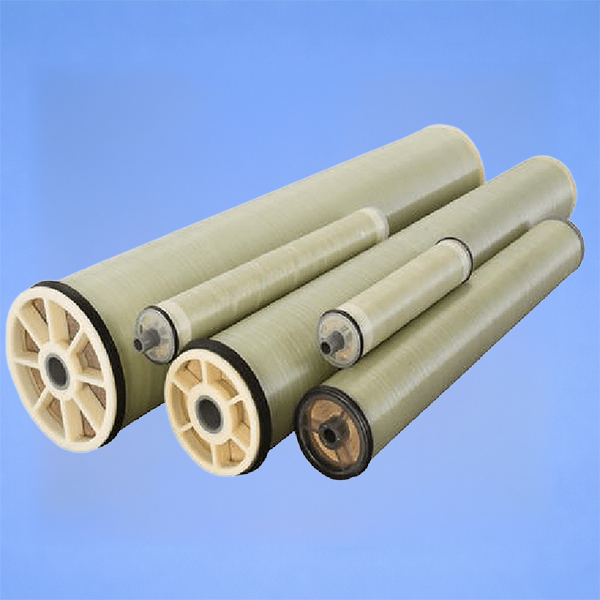
Precision Membrane Filtration for Water, Industries, and E-Mobility
Precision membrane filtration is a separation technology that removes dissolved solids, ions, organics, bacteria, and other contaminants from liquid streams by passing them through a semi-permeable membrane under controlled pressure. It is widely used to produce high-purity water in applications where process performance and product integrity depend on consistent water quality.
Pharmaco Global’s RO membrane filtration solutions are engineered for stable, energy-efficient performance across municipal and industrial water treatment, manufacturing processes, and the growing e-mobility sector.
Key Features
- Removes dissolved solids, ions, and contaminants effectively
- Ensures consistent high-purity water output
- Energy-efficient filtration process
- Suitable for municipal, industrial, and manufacturing applications
- Supports reliable and stable system performance
Frequently Asked Questions
Precision membrane filtration is an advanced separation technology using engineered semi-permeable membranes to remove particulates, microorganisms, ions, and dissolved contaminants from water and process fluids. It serves water treatment, industrial manufacturing, and e-mobility sectors including EV battery production—delivering the high-purity fluid streams essential for product quality and process reliability.
Precision membrane filtration—combining microfiltration, ultrafiltration, nanofiltration, and reverse osmosis—removes bacteria, colloids, dissolved solids, and ionic contaminants to produce ultrapure water for industrial processes. This multi-stage approach achieves resistivity levels above 18 MΩ·cm, meeting the stringent purity requirements of semiconductor, pharmaceutical, and battery manufacturing facilities.
In e-mobility manufacturing, precision membrane filtration purifies process water, electrolyte solutions, and electrode slurries used in lithium-ion battery cell production. It removes metal ion contaminants, particulates, and moisture that degrade battery performance, cycle life, and safety—making membrane filtration a critical quality control step in EV battery gigafactory operations.
Industrial water treatment uses four key membrane technologies: microfiltration (0.1–10 µm, removes suspended solids and bacteria), ultrafiltration (1–1,000 kDa, removes colloids and macromolecules), nanofiltration (removes divalent ions and organics), and reverse osmosis (removes dissolved salts). These are deployed in sequence to produce the ultrapure water industrial processes require.
Precision membrane filtration using 0.1–0.45 µm PTFE, PVDF, or PES pleated membrane elements removes particulates and metal ion contaminants from lithium-ion battery electrolyte. The entire filtration process is performed in a sealed, dry environment—preventing moisture ingress that would degrade electrolyte purity and compromise battery capacity, self-discharge rate, and cycle performance.
Precision membrane filtration offers absolute particle removal ratings, consistent separation performance, and lower operating costs versus conventional depth or sand filtration. It eliminates filter aid chemicals, produces less waste, enables continuous operation, and achieves separation precision not possible with conventional methods—making it the preferred technology for high-purity industrial and e-mobility applications.
Precision filtration for e-mobility uses chemically resistant membrane materials including PTFE (polytetrafluoroethylene), PVDF (polyvinylidene fluoride), PES (polyethersulphone), and nylon. These materials withstand aggressive electrolyte solvents and battery process chemicals, provide low extractables and minimal metal ion leaching, and maintain filtration integrity across the demanding conditions of lithium-ion battery manufacturing environments.
Yes. Precision membrane filtration systems scale from laboratory pilot units to full industrial-scale installations handling millions of litres per day. Modular skid-mounted designs allow capacity to be expanded by adding filtration modules in parallel, supporting the rapid scale-up requirements of EV battery gigafactories and large industrial water treatment and process fluid purification plants.
Yes, all our products are designed and sourced to meet international regulatory standards, including GMP, USFDA, EU-GMP, WHO, and other relevant compliance requirements.
Absolutely. Our solutions are engineered for seamless integration with existing systems, ensuring minimal disruption and optimal performance within your current setup.
Yes, our team offers technical consultation to help you choose the most suitable product based on your process requirements, facility design, and compliance needs.
Yes, all our products are aligned with our turnkey execution approach, ensuring compatibility with overall facility design, engineering, and operational requirements.
Yes, we provide customised solutions tailored to your process, capacity, and regulatory requirements to ensure optimal performance and efficiency.
Our products are used across pharmaceutical manufacturing, biotechnology, nutraceuticals, research laboratories, and regulated healthcare environments.
We follow strict quality standards and work with trusted technologies and manufacturing processes to ensure consistent performance, durability, and compliance.
Yes, we offer ongoing technical support to ensure smooth operation, performance optimisation, and long-term reliability of all supplied systems and components.