
RO Membrane (Heat Sanitized)
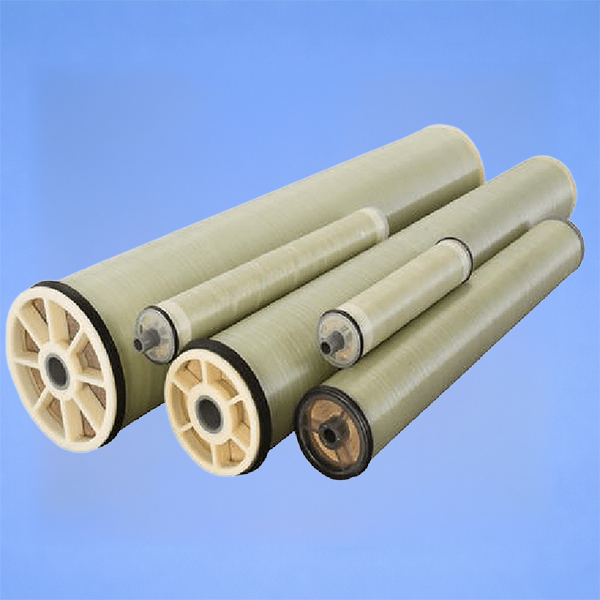
RO membranes play a critical role in pharmaceutical water systems by removing dissolved impurities, contaminants, and microorganisms to ensure consistent water quality. Pharmaco Global provides heat-sanitizable RO membranes for pharmaceutical water systems engineered for enhanced hygiene, stable performance, and long-term reliability in regulated environments.
Designed for use in purified water (PW) and water for injection (WFI) pre-treatment systems, these membranes support continuous operation while maintaining high rejection rates and compliance with pharmaceutical standards. Their heat sanitisation capability helps improve system cleanliness, operational consistency, and overall reliability in GMP-compliant water treatment applications.
Frequently Asked Questions
A heat sanitizable RO membrane withstands periodic hot water sanitization at 80°C without structural degradation or performance loss. Unlike standard membranes, it maintains salt rejection and flux through repeated thermal cycles — specifically designed for pharmaceutical purified water and WFI systems requiring biocontrol without introducing chemical sanitant residuals.
Chemicals leave residuals that risk contaminating purified water and drug products. Hot water at 80°C destroys biofilm without chemical residuals. Thermal sanitization also avoids accelerated membrane degradation from repeated oxidising chemical exposure — providing safer, more reliable, and regulatory-preferred biocontrol for pharmaceutical-grade water purification and distribution systems.
Hot purified water at 80°C is circulated through the RO system for 30–60 minutes to destroy biofilm and microorganisms. The heating and cooling rate must not exceed 5°C/minute to prevent irreversible membrane delamination from thermal shock. Continuously hot (>80°C) systems are self-sanitizing without scheduled sanitization cycles.
Continuously hot (>80°C) systems are self-sanitizing. Ambient systems with ozone injection typically sanitise quarterly or semi-annually. Systems without continuous biocontrol require weekly or bi-weekly thermal sanitization. Frequency is determined by the validated water system control strategy, driven by trending of microbial alert and action limit data.
USP Purified Water must meet: TOC ≤500 ppb (USP ); conductivity ≤1.3 µS/cm at 25°C (USP ); microbial bioburden ≤100 CFU/mL. These parameters are monitored per the validated water control strategy, with OOS results investigated and reported under the pharmaceutical site quality management system.
Purified Water: meets USP chemical purity specs (TOC ≤500 ppb, conductivity ≤1.3 µS/cm) with no endotoxin limit — used for non-parenteral manufacturing. WFI: all PW specs plus endotoxin ≤0.25 EU/mL — mandatory as solvent for all injectable preparations and for rinsing parenteral primary packaging components.
RO forces feedwater through a semi-permeable membrane under pressure (4–16 bar), passing water molecules while rejecting dissolved ions, organics, bacteria, viruses, and endotoxins — achieving 95–99%+ TDS rejection. In pharmaceutical systems, RO is the primary purification step, preceded by multi-media filtration, activated carbon, and antiscalant dosing pre-treatment.
Standard pharmaceutical RO pre-treatment includes: multi-media filter (suspended solids), activated carbon (chlorine removal — protecting polyamide membranes), 5 µm cartridge filter, antiscalant dosing (scale prevention), and water softener where hardness is high. All components must be compatible with 80°C hot water sanitization cycles used for biocontrol.
Talk to Our Engineering Experts
Share your requirements and our team will get back with tailored solutions.
Talk to Our Engineering Experts
Share your requirements and our team will get back with tailored solutions.