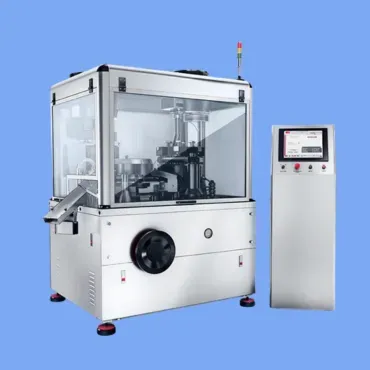
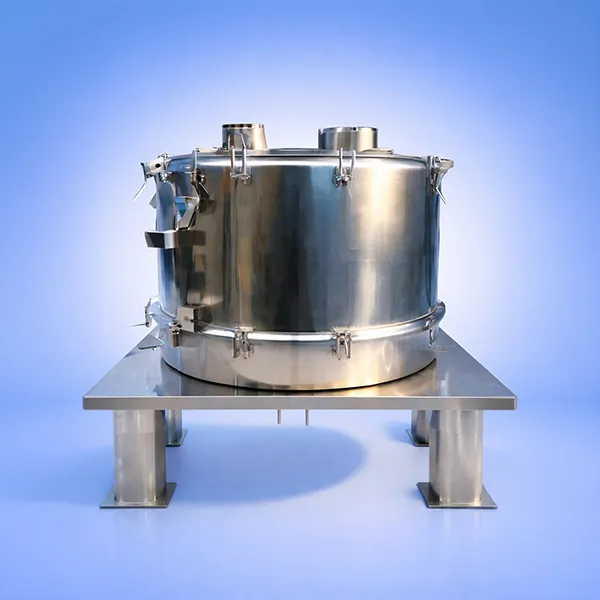
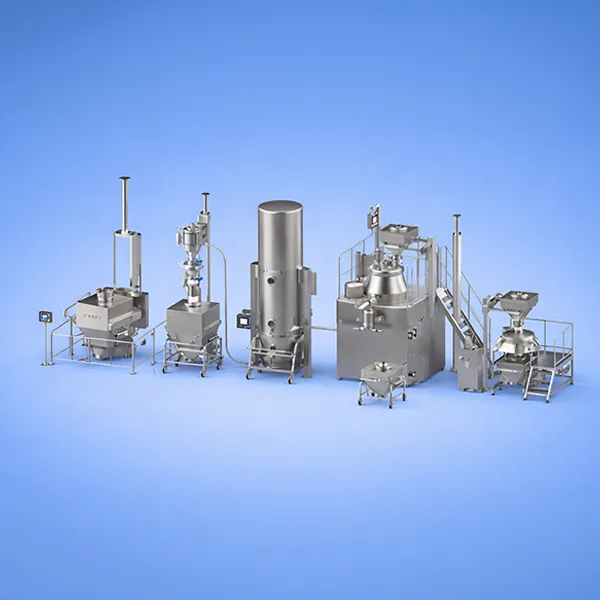
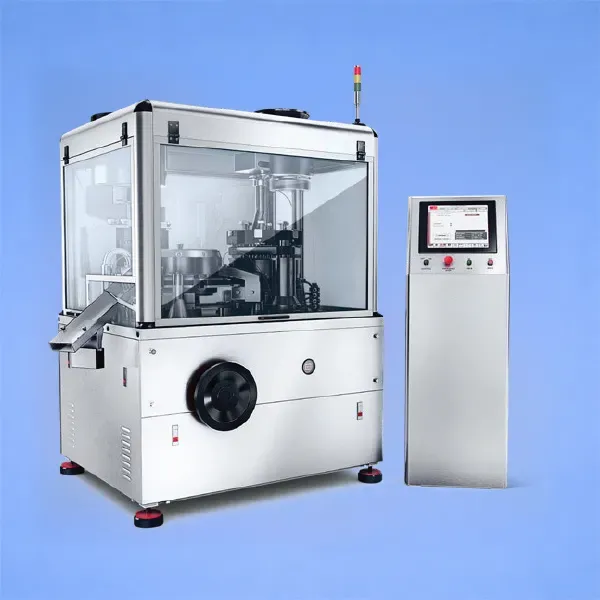
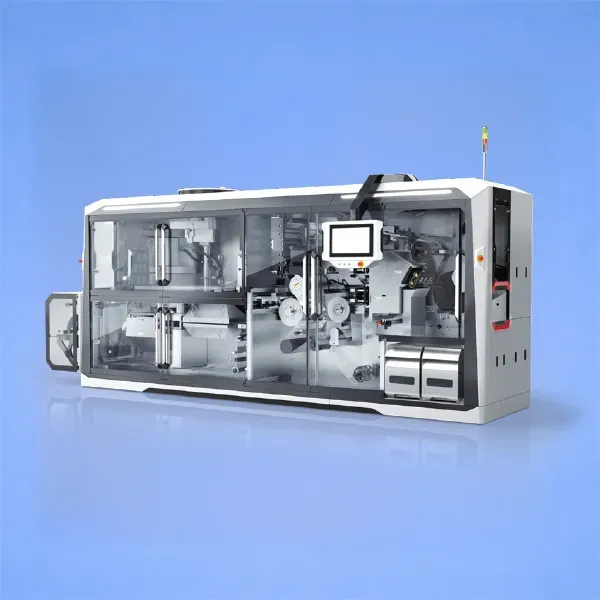
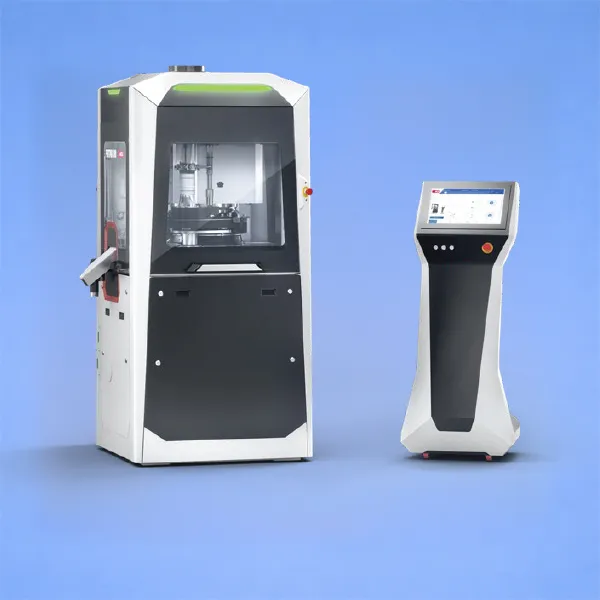
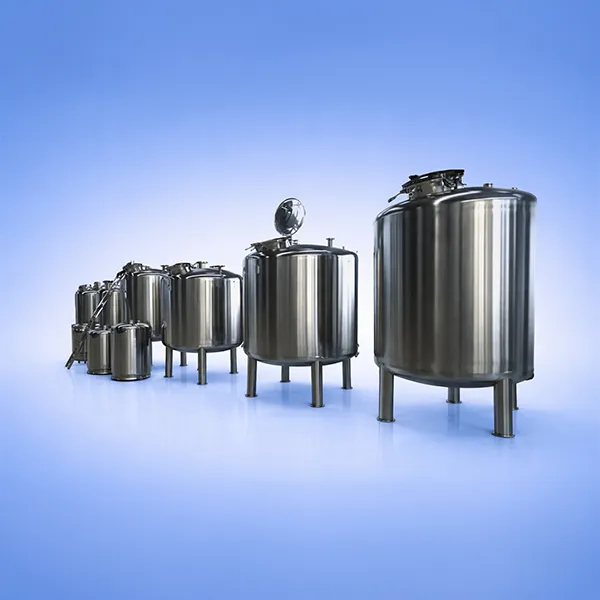
Process equipment forms the backbone of pharmaceutical manufacturing, enabling controlled formulation, mixing, and processing of drug products. Pharmaco Global provides process equipment for pharmaceutical manufacturing engineered for scalability, accuracy, and seamless integration into GMP-compliant environments.
These systems are used across key stages of production, including mixing, homogenization, and formulation processes, ensuring consistent process control and product quality. Built for durability and long-term performance, they support efficient operations and reliable output in regulated pharmaceutical manufacturing facilities.
Pharmaceutical process equipment includes reactors, mixing vessels, heat exchangers, crystallisers, granulators, dryers, and fluid transfer systems used directly in API and drug product manufacturing. All product-contact equipment must meet GMP material requirements, incorporate CIP/SIP capability, and be IQ/OQ/PQ qualified before use in regulated production.
Per FDA 21 CFR Part 211 and EU GMP Chapter 3: SS316L product-contact surfaces (Ra ≤0.8 µm); no dead legs; CIP/SIP capability; ASME/PED-certified pressure vessels; calibrated instruments; and full IQ/OQ/PQ documentation. Material test certificates (MTCs) for all product-contact materials must be retained as permanent GMP records.
CIP (Clean-in-Place) automatically cleans vessel internals via spray balls circulating cleaning agents and WFI rinses — without disassembly. SIP (Steam-in-Place) sterilises using saturated steam at 121°C achieving SAL 10⁻⁶. Both are automated, sensor-monitored, and documented in batch records as critical GMP-controlled process steps.
Electropolishing electrochemically removes a thin metal layer from stainless steel, achieving Ra 0.1–0.2 µm with a chromium-rich passive oxide layer. In pharmaceutical reactors, it improves cleanability, reduces biofilm adhesion, enhances corrosion resistance, and ensures compliance with cGMP product-contact surface specifications for API and sterile drug manufacturing.
A jacketed reactor circulates heat transfer fluid (steam, hot water, or chilled water) through an outer jacket to precisely control reaction temperature. Essential for pharmaceutical synthesis, crystallisation, and formulation — enabling controlled heating and cooling to maintain batch quality consistency, prevent API degradation, and manage reaction kinetics reproducibly.
Product-contact surfaces: SS316L (low-carbon, superior chloride corrosion resistance). Seals and gaskets: PTFE or pharmaceutical-grade silicone. Glass-lined vessels for highly corrosive process streams. All materials require material test certificates (MTCs). Product-contact surface finish: Ra ≤0.8 µm, electropolished for highest-specification sterile API manufacturing applications.
IQ verifies correct installation — materials, instruments, P&IDs, and weld logs. OQ tests temperature control accuracy, agitation speed, pressure performance, CIP spray coverage (riboflavin test), and SIP steam distribution. PQ demonstrates consistent process output across multiple consecutive production batches under actual validated manufacturing process conditions.
Anchor impellers: high-viscosity gels and ointments. Hydrofoil/high-efficiency: low-shear for shear-sensitive biologics. Rushton turbine: gas dispersion in fermenters and bioreactors. Pitched blade turbine: combined axial/radial flow for solid suspension and general mixing. Selection is based on viscosity, shear sensitivity, and validated process performance requirements.
Share your requirements and our team will get back with tailored solutions.
Share your requirements and our team will get back with tailored solutions.