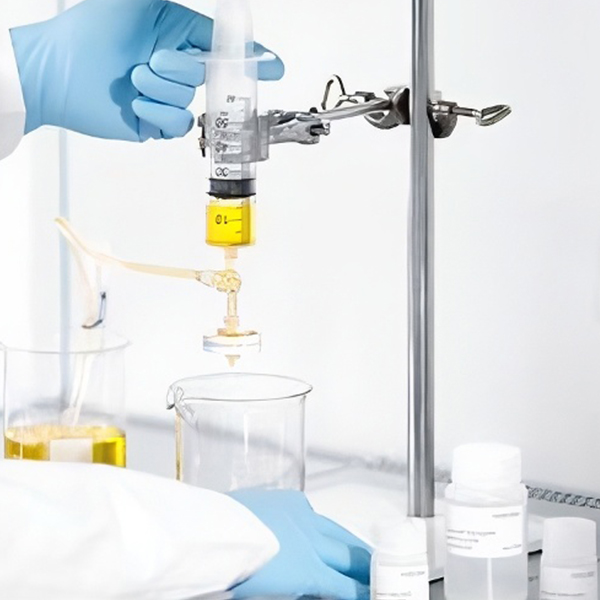
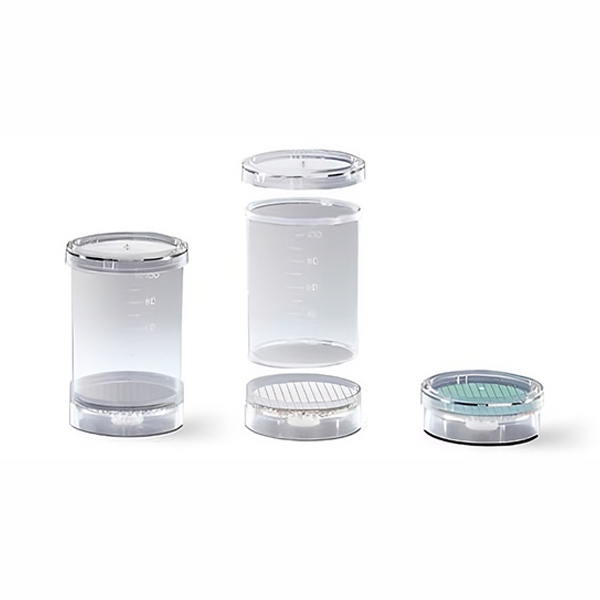
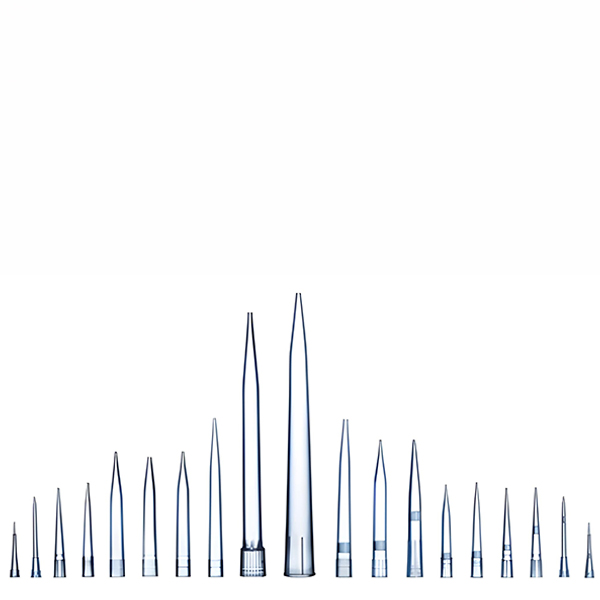
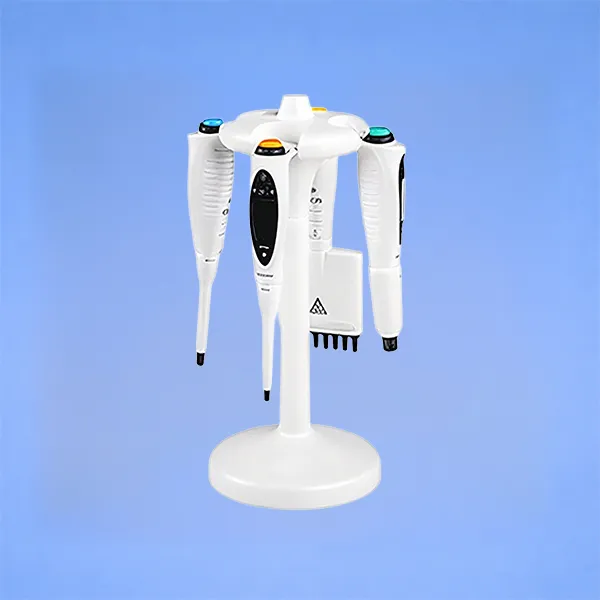
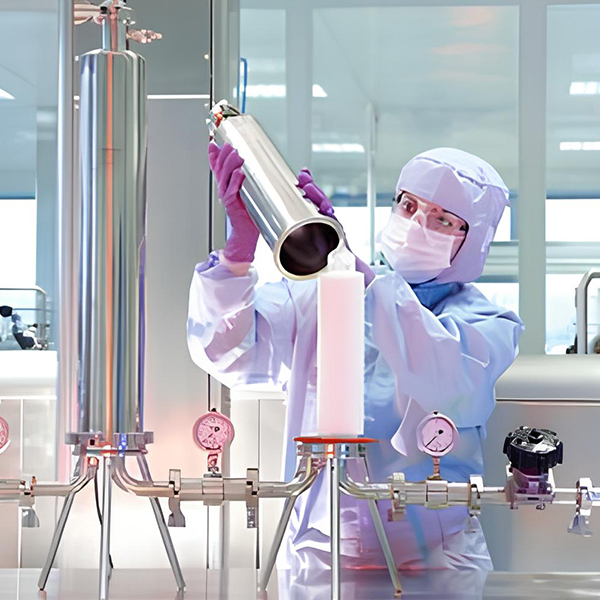
Pharmaco Global offers a range of laboratory equipment designed to support critical testing, analysis, and quality control processes within regulated pharmaceutical environments. Built to meet stringent global standards, these instruments ensure high accuracy, repeatability, and reliable performance across laboratory operations, enabling consistent results and seamless integration into existing setups.
Suitable for pharmaceutical laboratories, research facilities, and quality control environments, our laboratory solutions are engineered for compliance and operational efficiency. Their robust construction and precise functionality support validation processes, analytical testing, and regulatory requirements, making them an essential part of modern pharmaceutical workflows.
Essential pharmaceutical QC equipment includes HPLC, dissolution testers, UV-Vis spectrophotometers, FTIR spectrometers, analytical balances, Karl Fischer titrators, pH meters, TOC analysers, particle size analysers, stability chambers, and autoclaves — all requiring IQ/OQ/PQ qualification and calibration per FDA 21 CFR Part 211 and EU GMP Chapter 6.
IQ confirms correct installation per design specifications. OQ verifies the instrument operates within defined parameters — e.g., wavelength accuracy of a spectrophotometer. PQ demonstrates consistent real-use performance. Required by USP for all laboratory equipment generating data submitted in pharmaceutical product regulatory submissions to FDA and EMA.
Required GMP records include URS, DQ/supplier assessment, IQ/OQ/PQ protocols and reports, NIST/NPL-traceable calibration certificates, preventive maintenance schedules, equipment logbooks, change control records, and cleaning procedures. Computerised laboratory systems additionally require 21 CFR Part 11 validation covering audit trails, user access controls, and electronic record integrity.
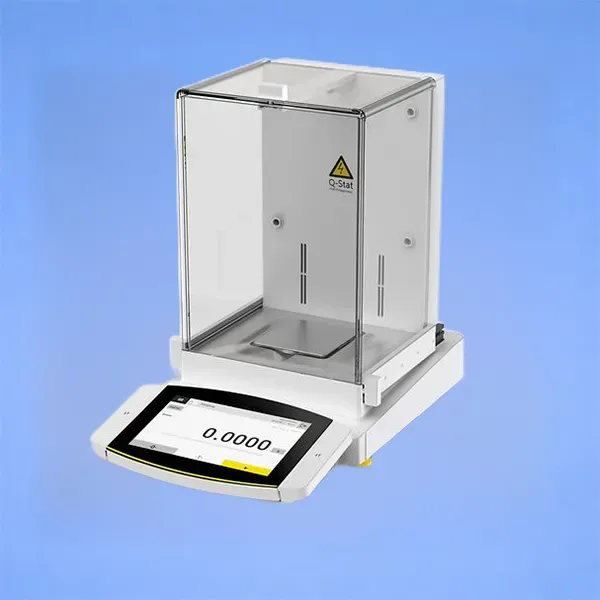
Microbalances (0.001 mg readability) weigh potent APIs and reference standards. Analytical balances (0.1 mg) are standard for pharmaceutical QC. Semi-microbalances (0.01 mg) bridge the two. All must meet USP minimum weight requirements, calibrated daily with certified external weights and annually per a documented risk-based calibration programme.
HPLC separates drug compounds by differential interactions between a mobile phase solvent and stationary phase column. Used in pharmaceutical QC for drug assay, impurity profiling (ICH Q3A/Q3B), content uniformity, dissolution sample analysis, and stability-indicating method development — the primary analytical technique referenced in pharmaceutical regulatory dossiers globally.
Karl Fischer titration precisely measures water content in pharmaceutical raw materials and finished products using iodine chemistry. Volumetric KF suits moisture >0.1%; coulometric KF measures <0.1% in lyophilised products. Specified in USP and EP 2.5.12 — mandatory for APIs and dosage forms where moisture drives chemical degradation or instability.
Analytical balances: daily external weight calibration, annual full service. pH meters: two-point calibration before each use. UV-Vis spectrophotometers: annually or semi-annually. HPLC: system suitability before each analytical sequence. Stability chambers: annually. All calibrations must use NIST/NPL-traceable standards, with records retained as permanent GMP documentation.
Stability chambers maintain ICH-defined conditions: 25°C/60%RH (long-term Zone I/II), 30°C/65%RH (Zone III/IV or intermediate), 40°C/75%RH (accelerated). Used for shelf-life determination, regulatory submission data, and annual stability programmes. Must be validated with temperature/humidity mapping studies and continuous monitoring per ICH Q1A requirements.
Share your requirements and our team will get back with tailored solutions.
Share your requirements and our team will get back with tailored solutions.